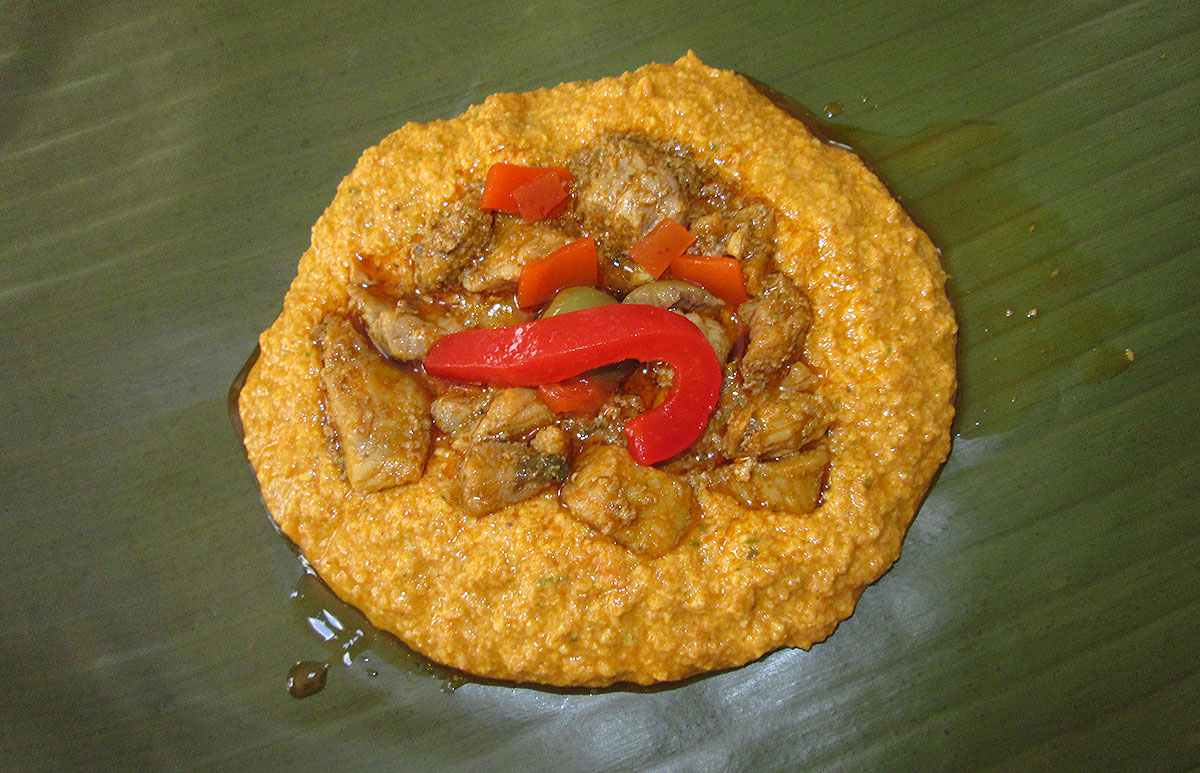
Every Puerto Rican family has its own way of making pasteles. In this guide, I'm sharing my mom's practical tips, family traditions, cultural insights, and step-by-step photos to help you better understand one of Puerto Rico's most cherished dishes.
Pasteles are deeply rooted in Puerto Rican culture. While many families prepare them during the holiday season, they are enjoyed throughout the year at family gatherings, special occasions, and community celebrations across the island.
Must-have pasteles while experiencing Puerto Rican culture like a local. This traditional dish is enjoyed throughout the year and remains one of the island's most beloved culinary traditions.
Contents
History of Puerto Rican Pasteles
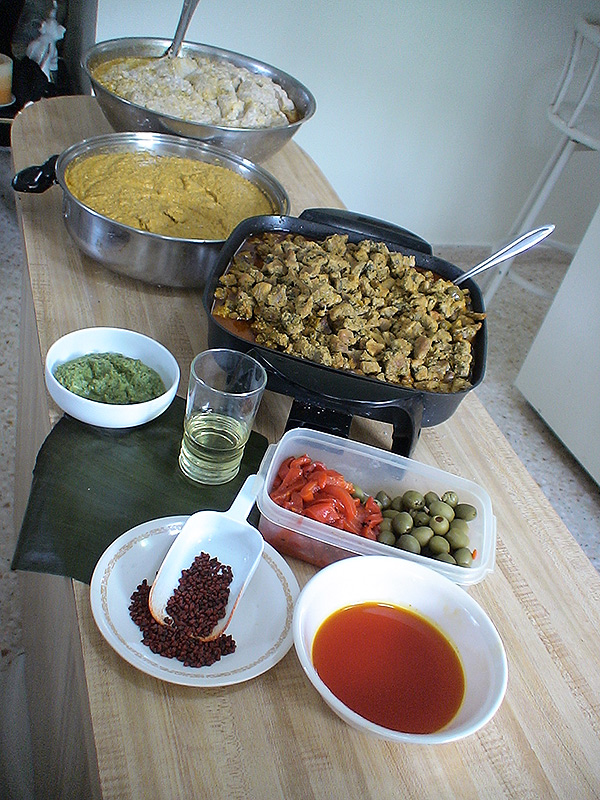
The exact origins of Puerto Rican pasteles are debated. Some historians believe they originated with the Taínos, while others describe them as a blend of Taíno and African culinary traditions. Based on my upbringing and cultural experiences, I believe pasteles represent the three cultures that shaped Puerto Rico: Taíno, Spanish, and African.
Why do I believe this? Because of the ingredients used to prepare this traditional dish.
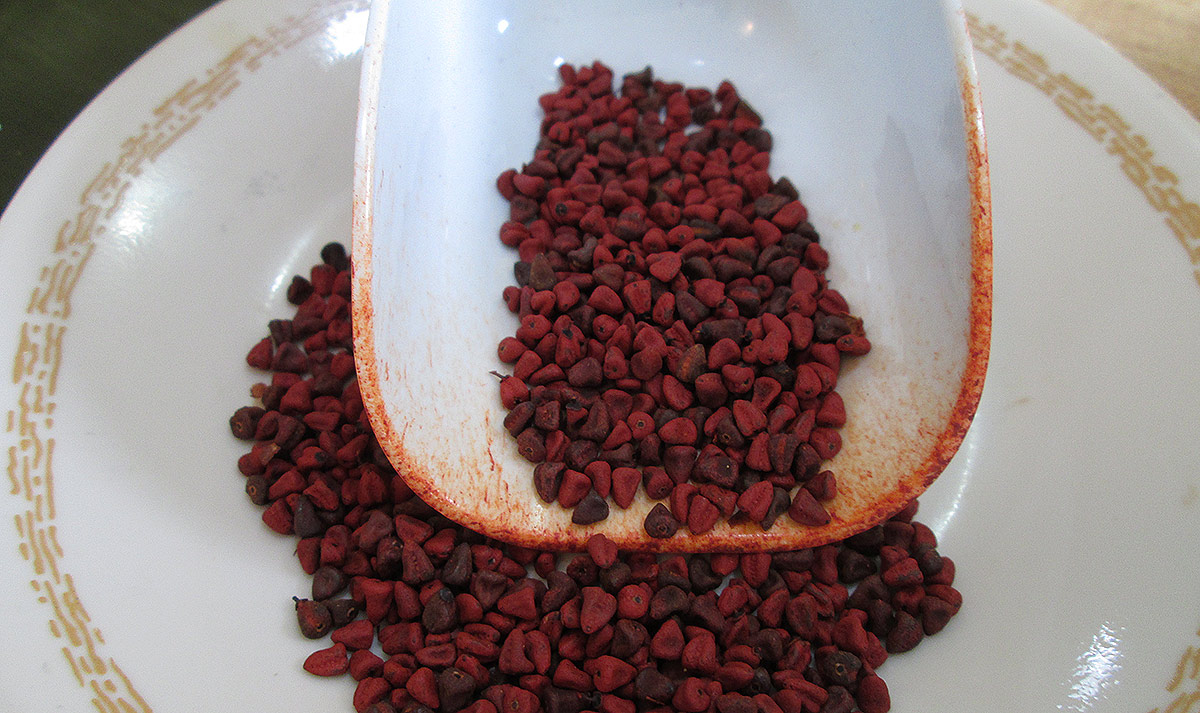
- Taíno heritage: Annatto ("achiote") and cassava ("yuca").
- Spanish heritage: Sofrito, a flavorful seasoning base used throughout Puerto Rican cuisine.
- African heritage: Green bananas ("guineo verde") and tanniers ("yautía").
I consider pasteles a gourmet dish because every step is prepared by hand using fresh ingredients.
Choosing the stuffing
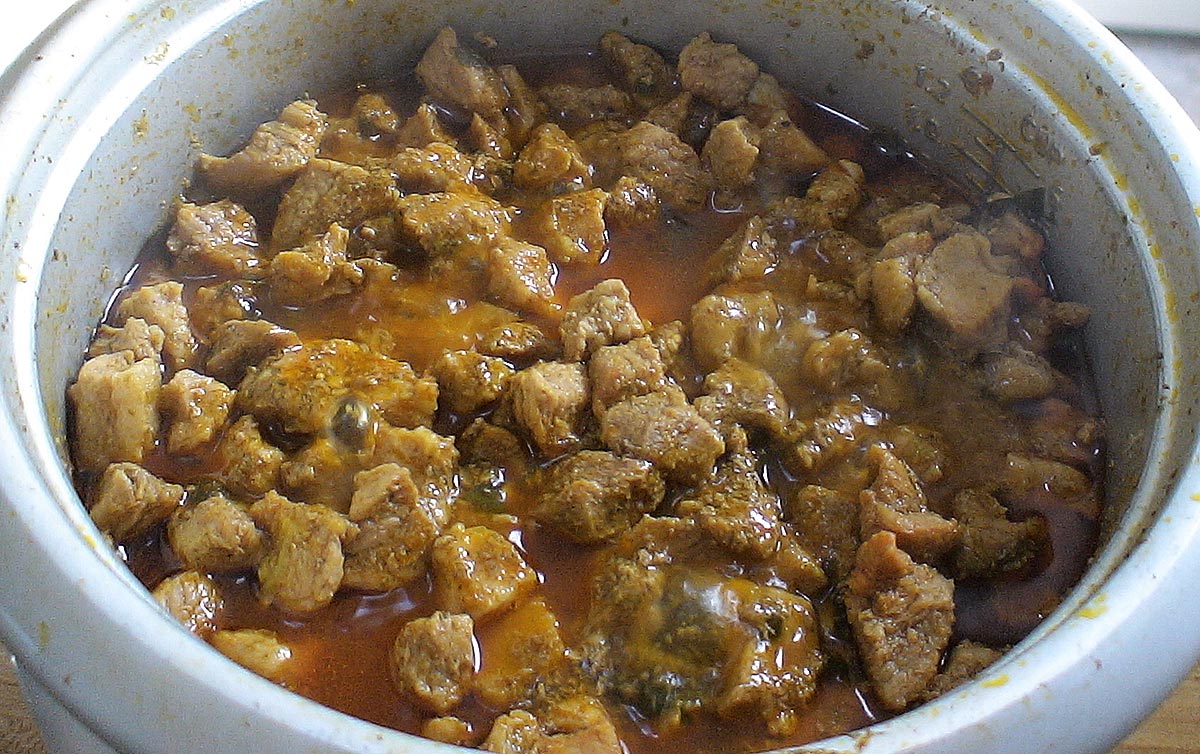
Puerto Rican pasteles are a versatile dish because the filling can be customized to suit personal preferences, dietary needs, and religious traditions. While pork is the most traditional filling, some families prepare pasteles with chicken, vegetables, or other ingredients.
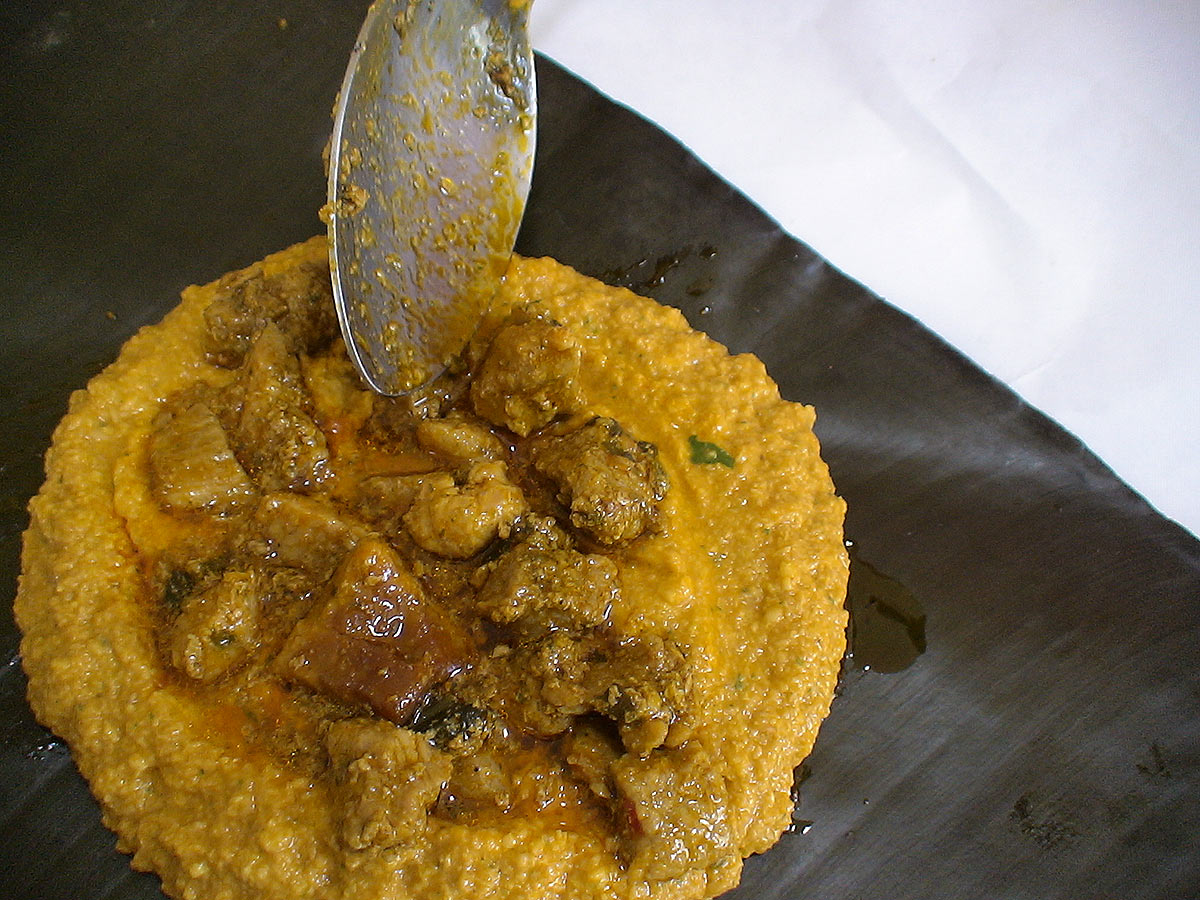
My favorite pasteles are filled with traditional Puerto Rican pork stew.
Tip
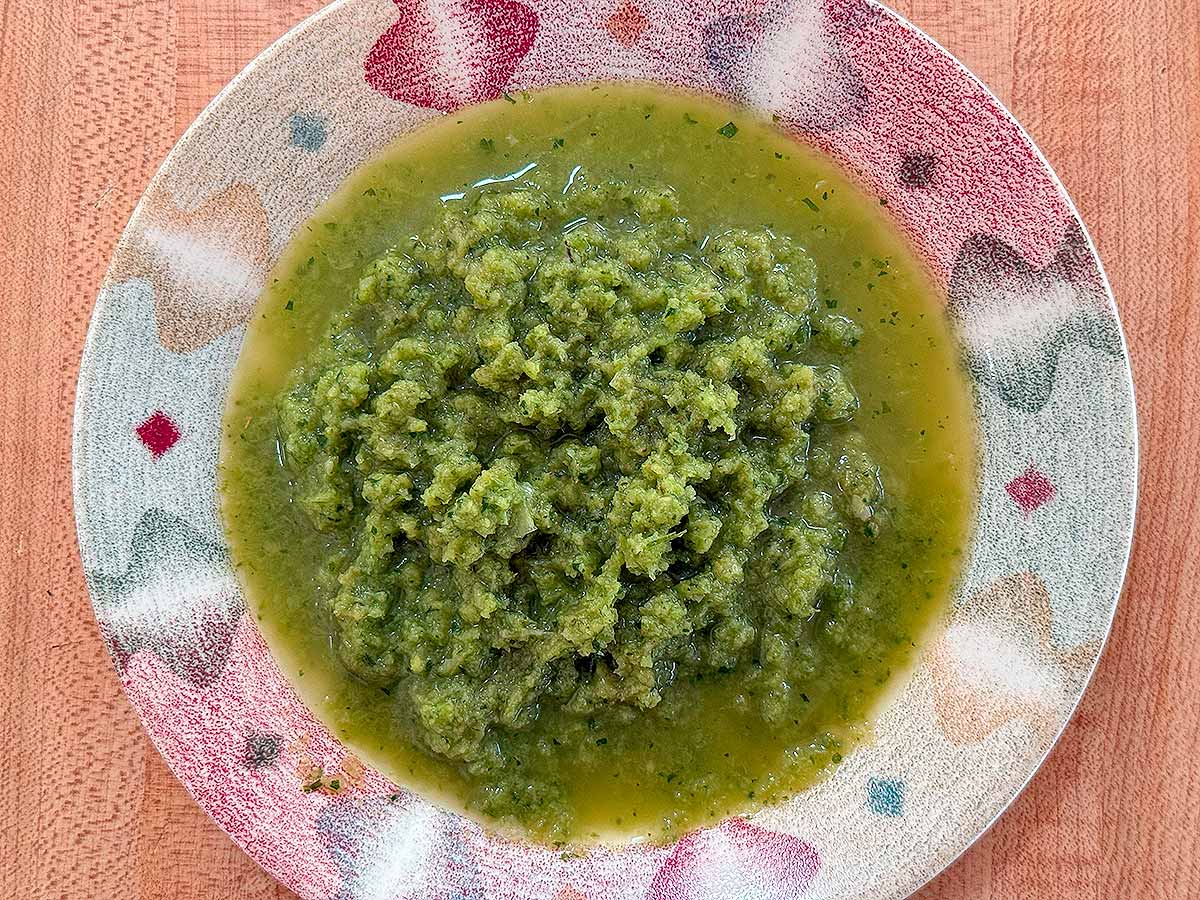
Season both the stew and the dough with Puerto Rican sofrito for authentic flavor.
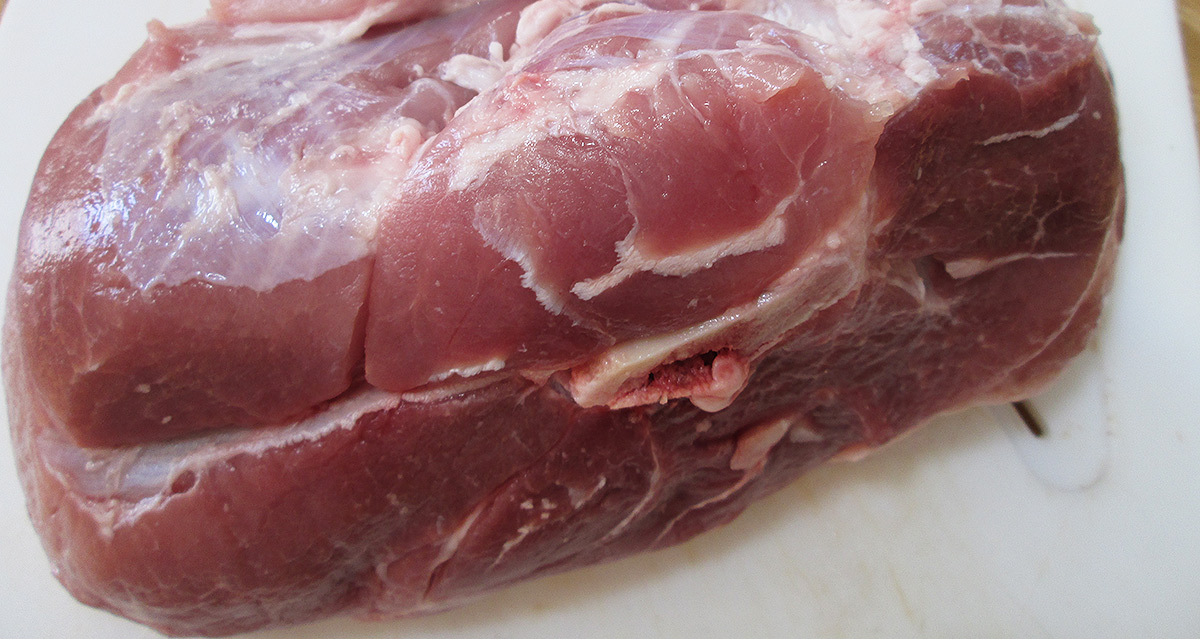
Choosing the Pork
- The hind leg ("pernil trasero") typically provides more meat and is often preferred for its flavor.
- The picnic shoulder ("pernil delantero") is another popular option and may be a more economical choice.
Fact
Puerto Rican pork farms follow local and federal food safety regulations.
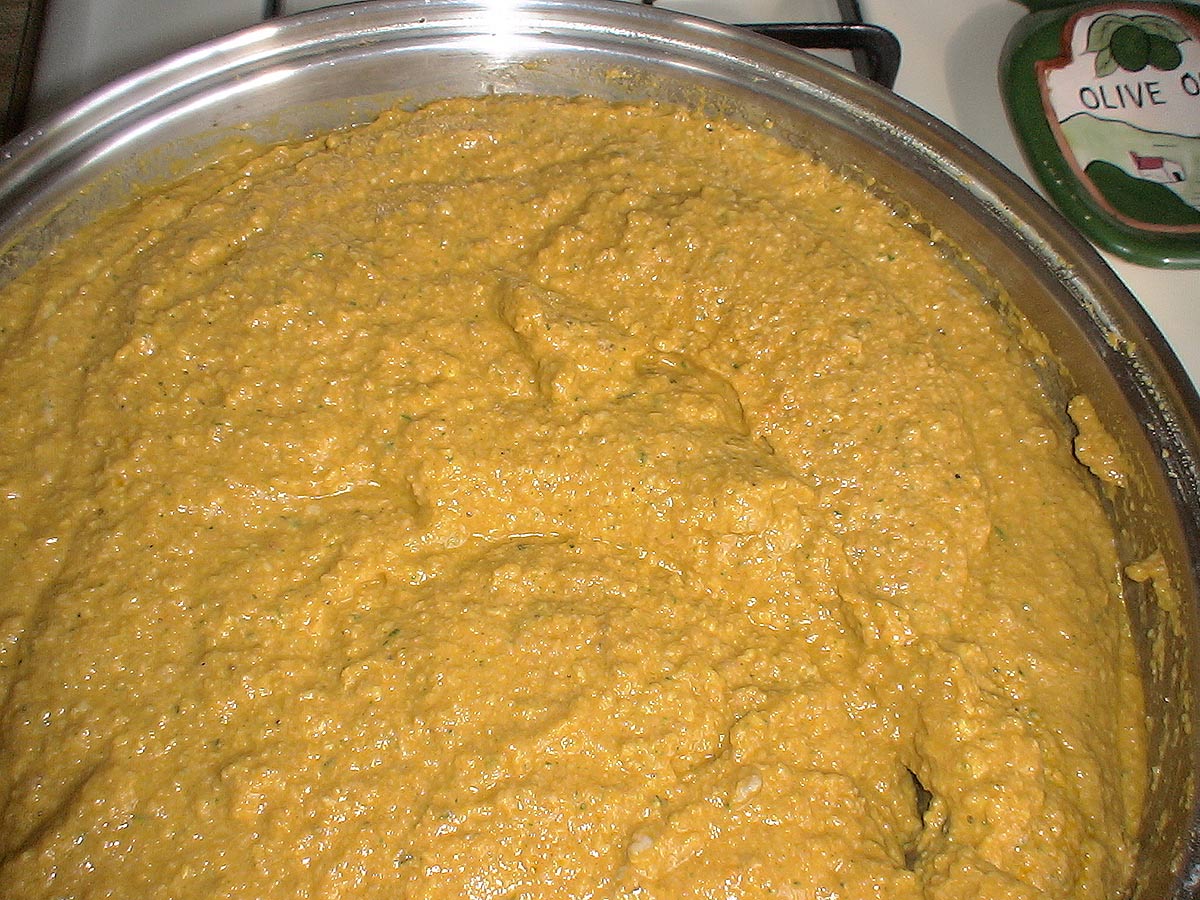
Preparing the dough
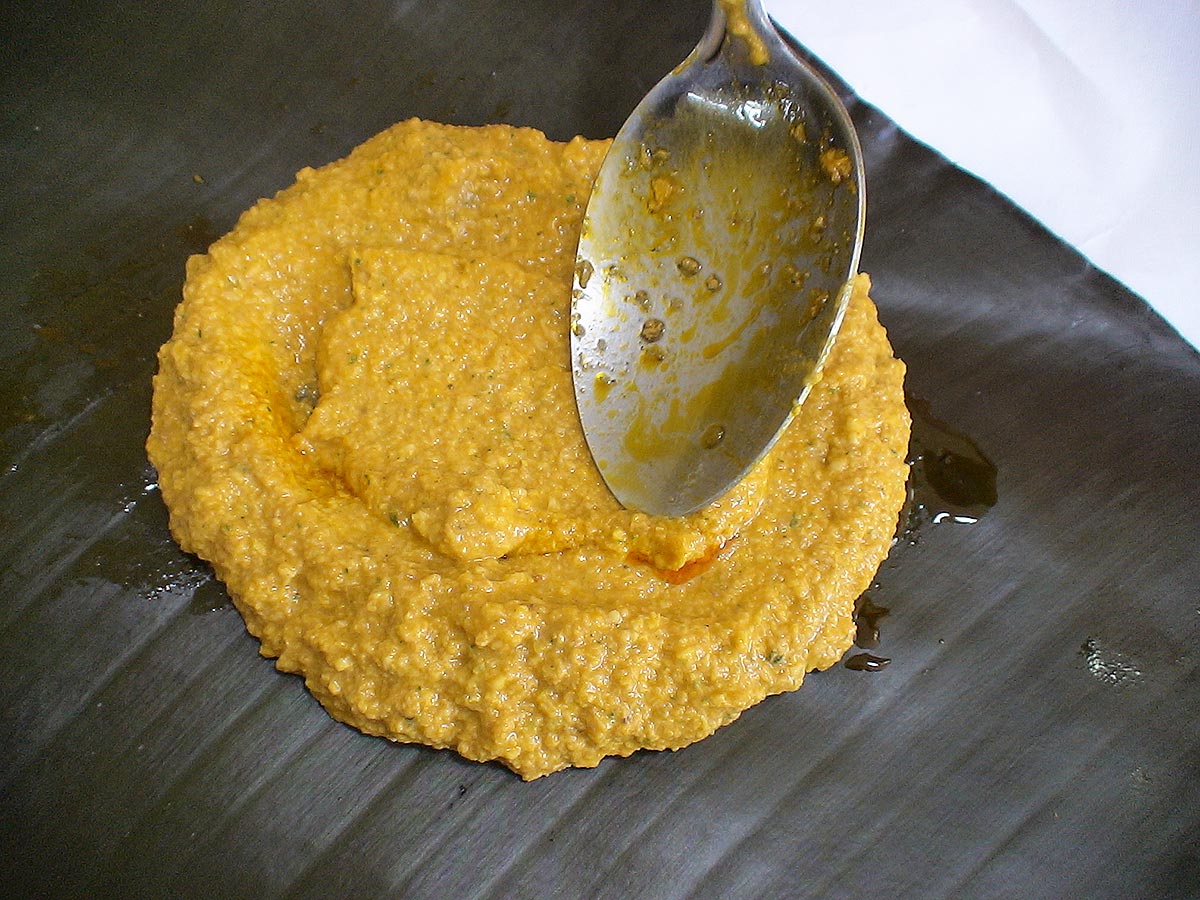
Traditional pasteles dough is made with green bananas and tanniers ("yautía"). Two common varieties of tanniers are white and lilac. My family prefers white tanniers ("yautía blanca") because they add flavor to the dough and blend well with green bananas.
Some recipes include pumpkin to create a softer texture, while others use only cassava ("yuca"). Every family has its own recipe and preferred combination of ingredients.
I prefer small green bananas ("guineo verde enano") and white tanniers ("yautía blanca") because they create a flavorful dough.
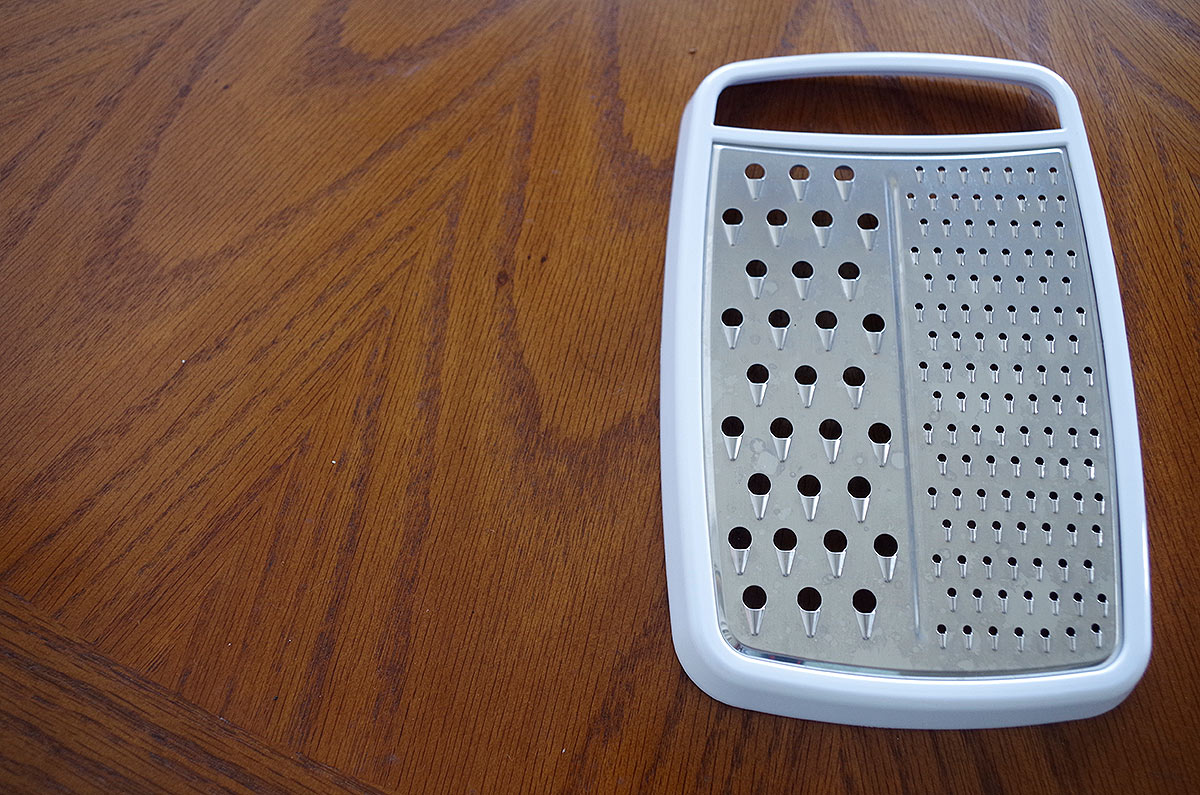
Fact
A grater is the traditional tool used to prepare pasteles dough.
Pro Tip
Wear plastic gloves when handling green bananas to avoid stains. When using cassava ("yuca"), always squeeze out the starchy liquid before preparing the dough, as it should not be consumed.
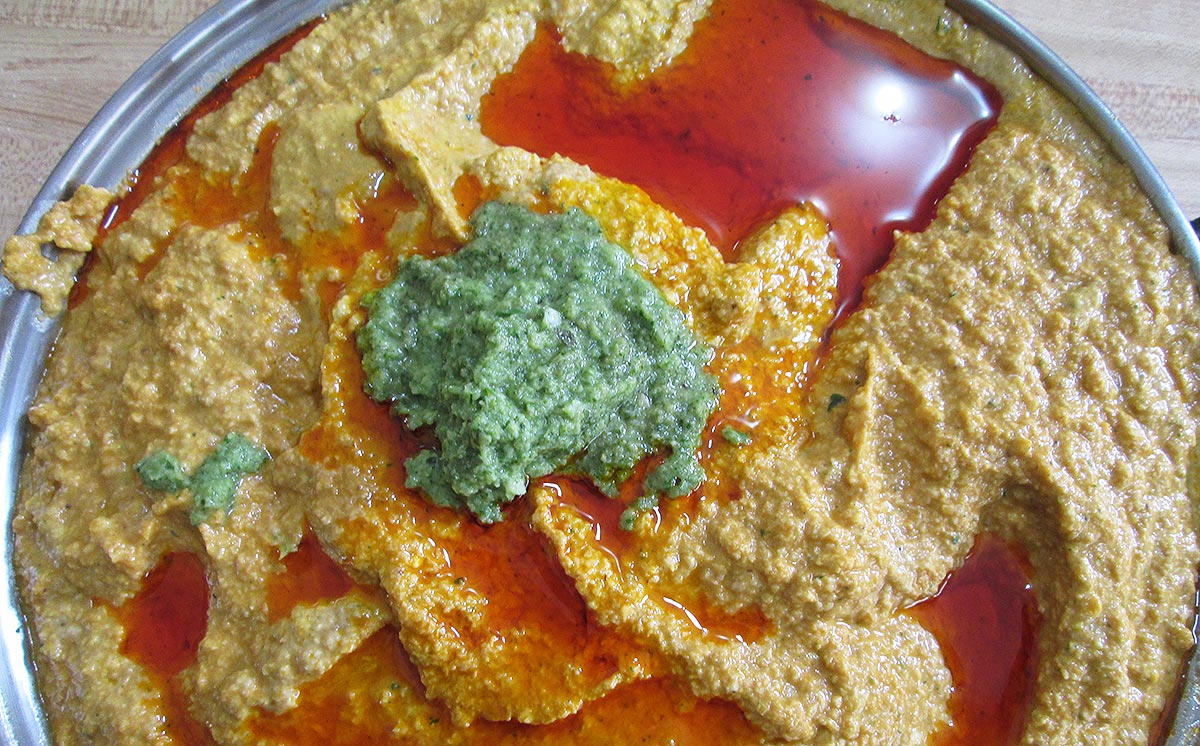
Wrapping the Pasteles
Before assembling the pasteles, the banana leaves must be softened with heat to make them flexible and easier to fold. Experienced cooks often pass the leaves quickly over the flame of a gas stove.
Traditionally, banana leaves were softened over an outdoor fire. This simple step helps prevent the leaves from cracking while wrapping the pasteles.
Tip
Add annatto ("achiote") for color and sofrito for flavor.
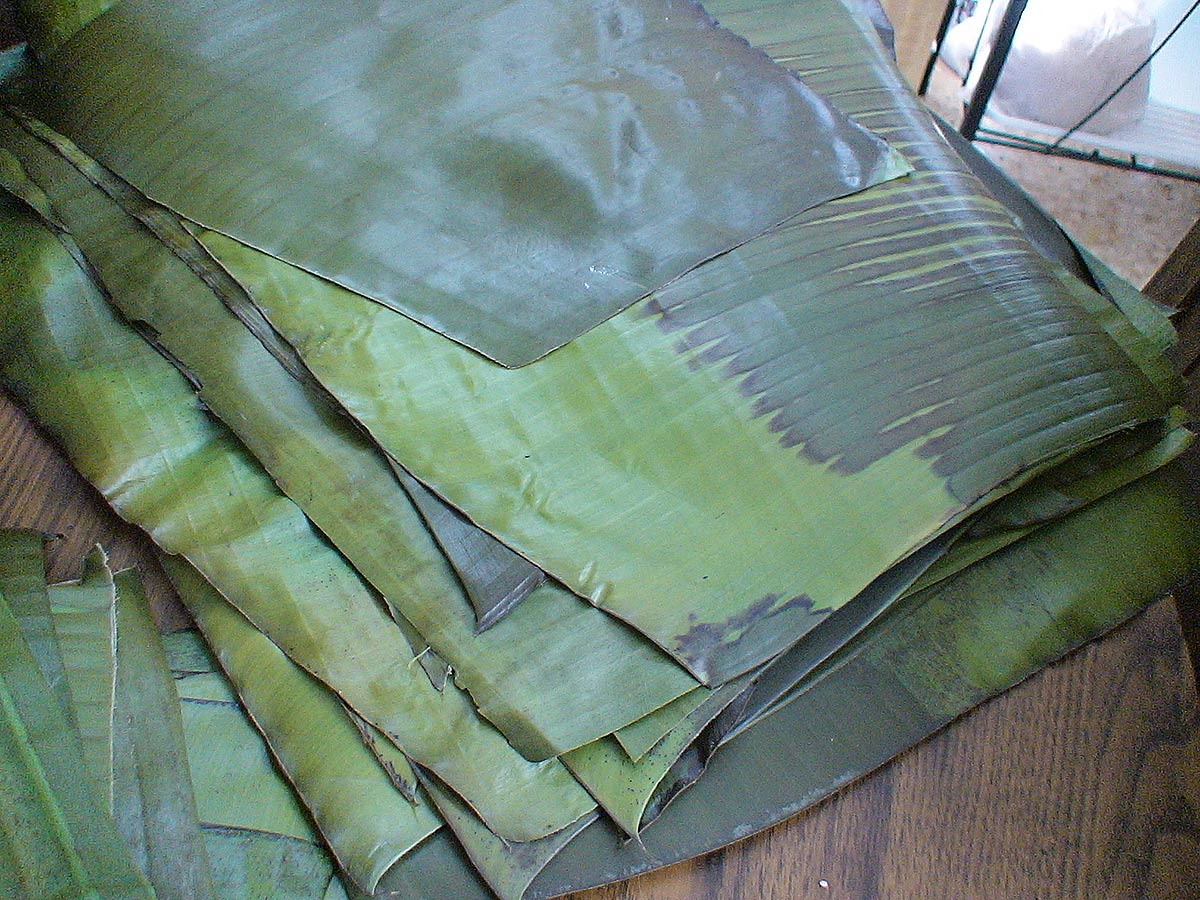
Tip
Save time by purchasing ready-to-use banana leaves from Hispanic grocery stores or specialty markets.
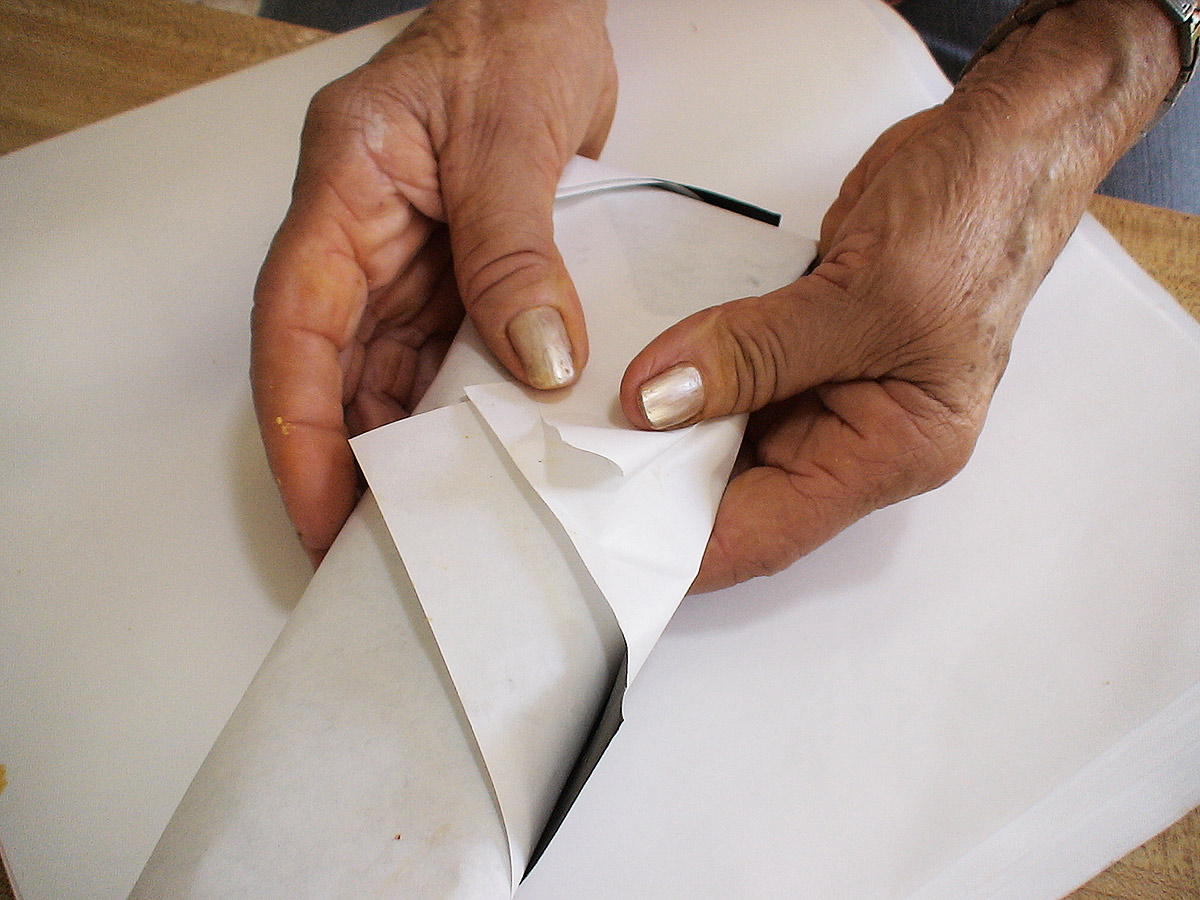
Tip
If banana leaves are unavailable, use parchment paper made for pasteles or place a small piece of leaf in the center for added flavor.
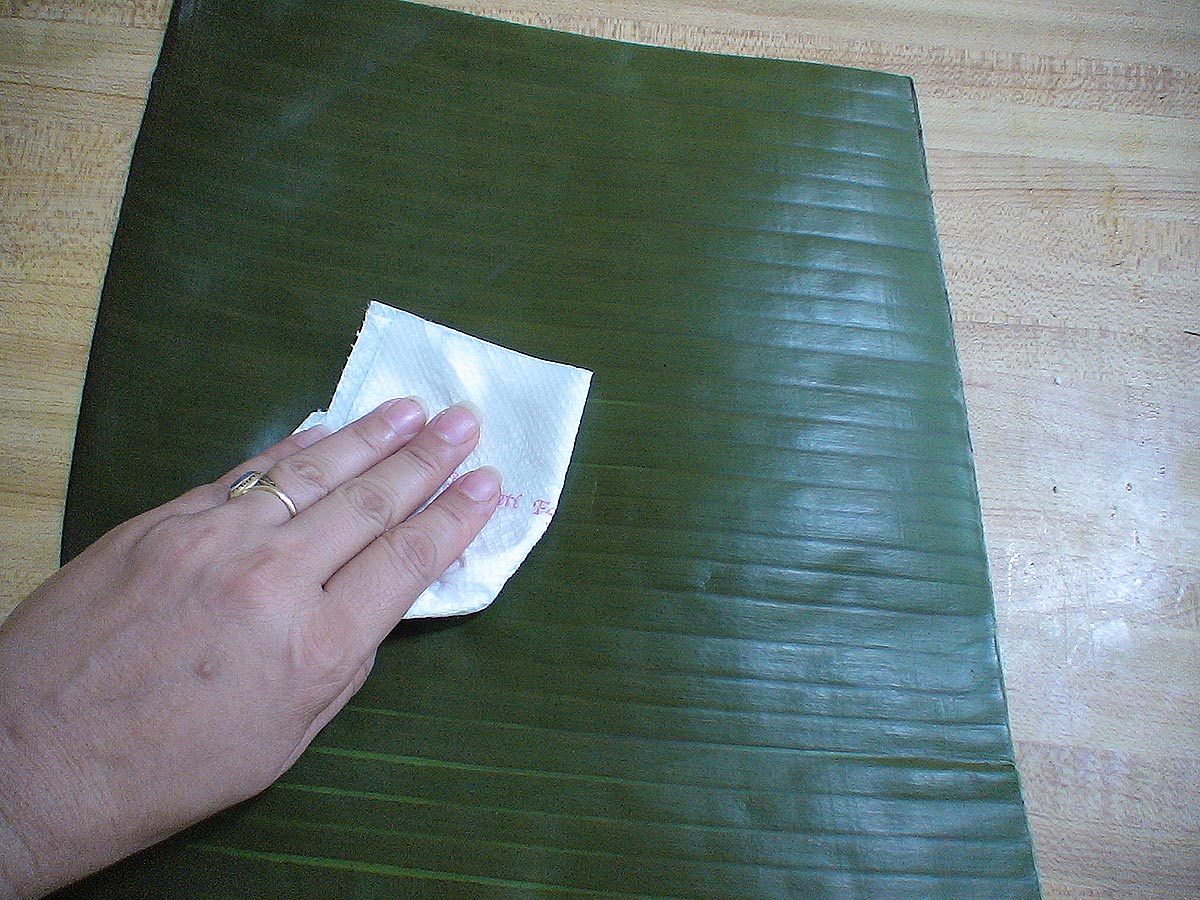
Tip
Wipe the banana leaf clean with a damp paper towel before use.
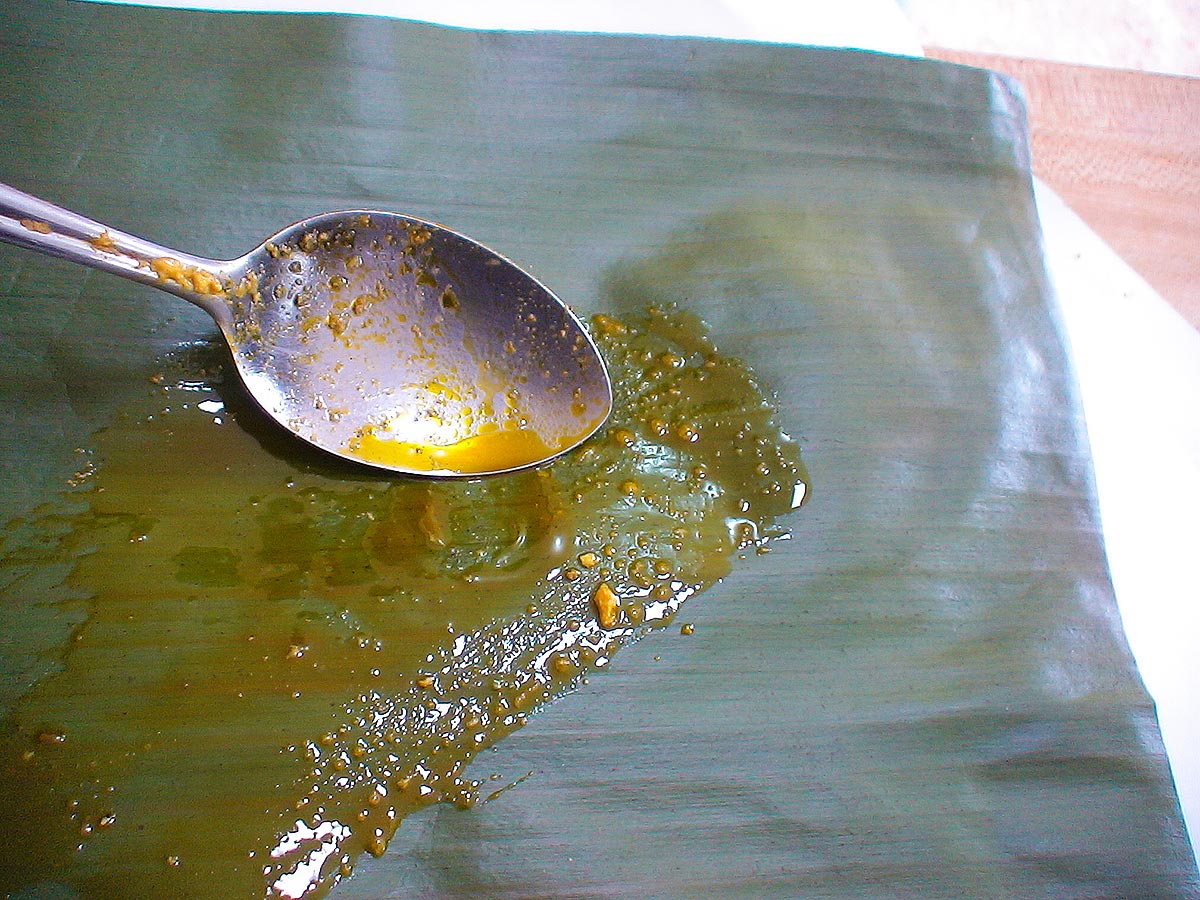
Tip
Lightly coat the banana leaf with annatto oil to prevent sticking and add color and flavor.
Tip
Homemade annatto oil often provides better flavor than store-bought versions.
Fact
Adjust the amount of dough to match the size of the banana leaf.
Fact
Pork stew is the traditional filling used in Puerto Rican pasteles
Tip
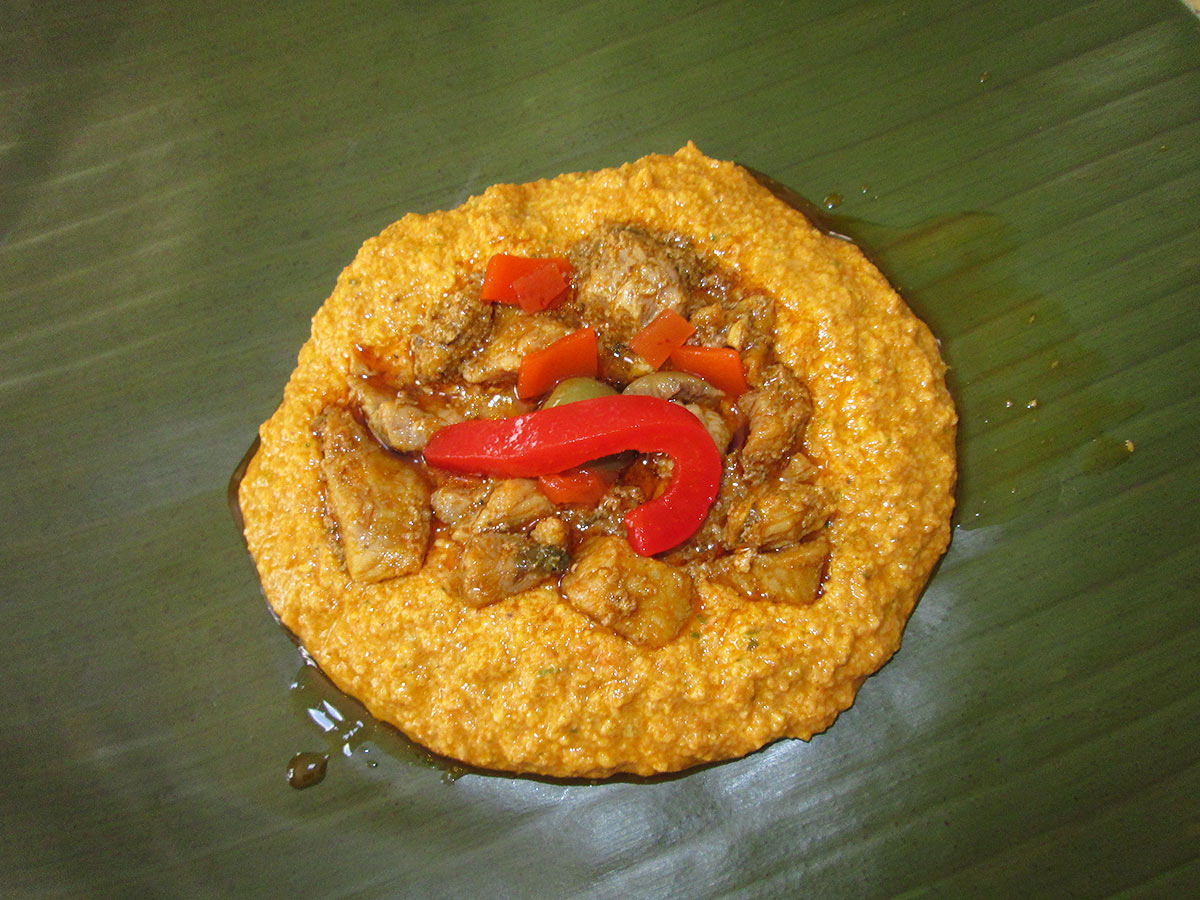
“Add a slice of Spanish-style red pepper and one pitted olive for traditional flavor."
The Final Stages
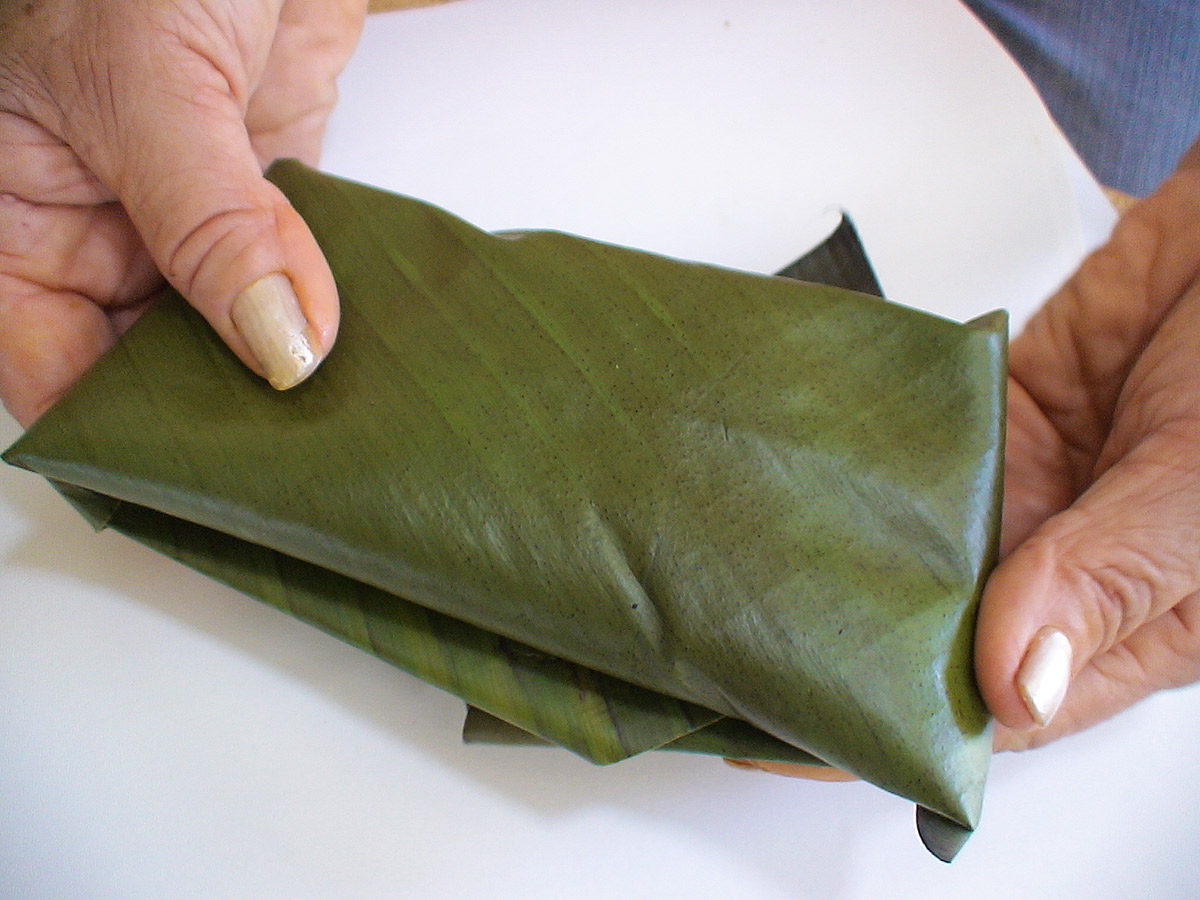
💡 Step: Fold the banana leaf into a neat rectangular package.
Kitchen twine is used to tie the pasteles before cooking.
- Kitchen twine, also known as butcher's twine, is a thick cotton string commonly used to tie meat and other ingredients together.
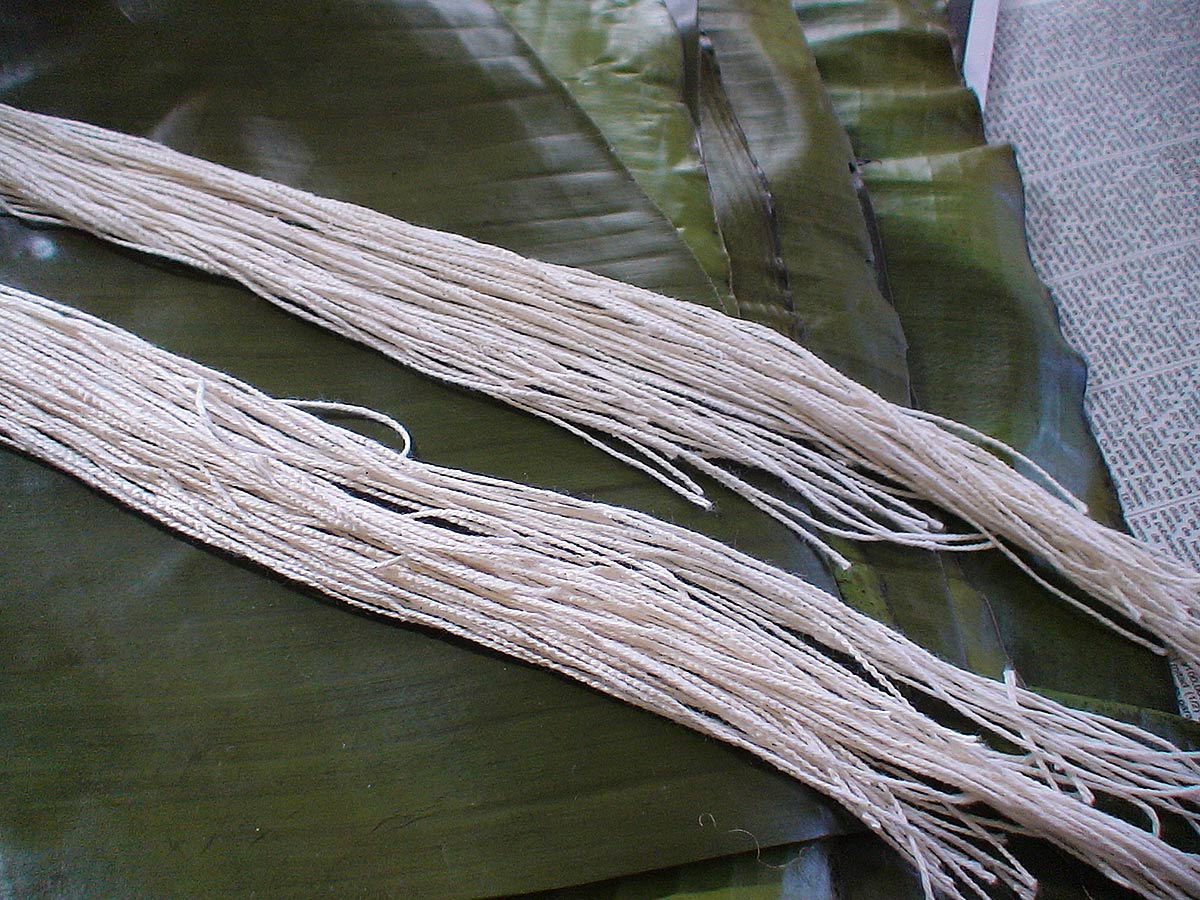
💡 Step: Tie the Pasteles
- Tie each pastel securely with kitchen twine.
- Choose either a single or double pastel package.
- Watch the videos below for examples.
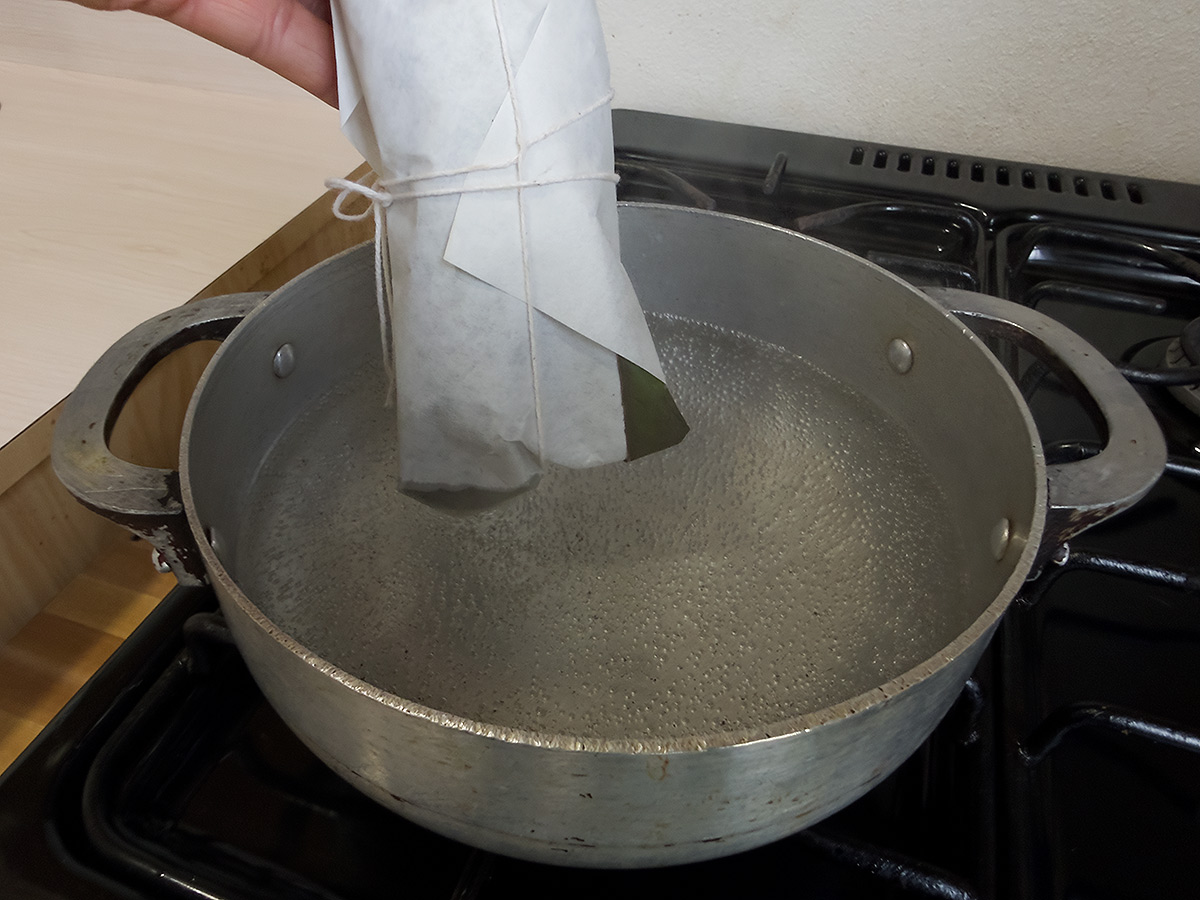
💡 Step: Cooking and Serving the Pasteles
- Bring salted water to a boil.
- Add the pasteles.
- Cook for approximately 30 minutes.
- Carefully remove the hot pastel.
- Open, plate, and serve.
Experience Puerto Rico One Pastel at a Time
Pasteles are more than a traditional Puerto Rican recipe—they are part of our cultural heritage. Families gather to prepare them, recipes are shared across generations, and every cook adds a personal touch. Whether you're making pasteles for the first time or continuing a family tradition, I hope my mom's recipe and tips help you bring a taste of Puerto Rico to your table.
If you visit Puerto Rico, be sure to explore the island's local food traditions. From pasteles and mofongo to the traditional Puerto Rican Cracker and regional specialties, every dish tells part of Puerto Rico's story.
A dedicated guide working alongside a driver can often provide a more engaging experience because their full attention remains on the travelers.